What Happens at the Cabin Stays at the C Review
As a designer who's spent years working with machine embroidery, I know that finding the right design can make or break a project. Today, I'm taking a close look at What Happens at the Cabin Stays at the C, a digital embroidery design that promises to bring a touch of rustic charm to any handmade item. Let's dive into what this design brings to the table and how it might fit into your next project.
A First Impression: Rustic Charm in Every Stitch
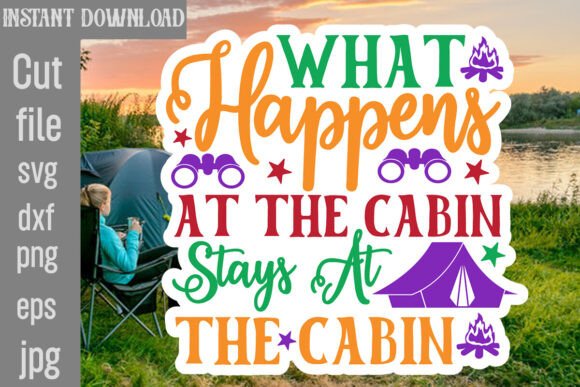
At first glance, What Happens at the Cabin Stays at the C feels like a warm invitation to a cozy weekend getaway. The design has a laid-back, slightly whimsical vibe, which makes it perfect for projects that lean into the "cabin in the woods" theme. The layout is clean but not too simple, with just enough detail to feel intentional without overwhelming the fabric.
The letters are nicely spaced, and the overall shape gives the impression of something you'd see on a vintage sign or a hand-painted wooden plaque. This kind of visual personality makes it ideal for custom apparel, tote bags, or even as an embroidered patch for a small shop or boutique.
Real-Life Use: What Works and What to Watch For
Let’s imagine using What Happens at the Cabin Stays at the C on a custom embroidered tote bag. The design would sit well on a light-colored canvas or cotton fabric, where the contrast between the stitching and the background is clear. The lettering is bold enough to be readable from a distance, which is great for branding or gift items.
If I were designing a sweatshirt or t-shirt for a craft fair, this design could work beautifully as a front panel or back print. It's also a solid choice for baby clothes or nursery decor, where the gentle, playful tone of the design would appeal to parents looking for something unique yet approachable.
However, there are some considerations when using this design. If you're planning to stitch it on a small hoop size, you'll need to check if the details will remain clear. Tiny lettering or intricate elements may get lost or distorted. Also, if you're working with stretchy fabrics like knits, you’ll want to use a good stabilizer to keep everything in place and prevent puckering.
Design Performance in Different Embroidery Projects
What Happens at the Cabin Stays at the C shows versatility across several embroidery applications. Here’s how it might perform in different scenarios:
- Custom Apparel: The design works well on sweatshirts, t-shirts, and hoodies. Just be sure to test it on scrap fabric first to ensure the thread color contrasts well with the garment's base color.
- Tote Bags: A great option for a large-format design. Make sure the hoop size matches the intended placement and that the fabric is stable enough to handle dense stitching areas.
- Baby Items: Perfect for onesies, bibs, or blankets. The soft, friendly aesthetic aligns well with the target audience.
- Patches: This design would translate well into an embroidered patch, especially if used on denim jackets or backpacks.
- Holiday Gifts: Could be adapted into a personalized holiday gift, such as a pillow cover or kitchen towel with a cabin-themed message.
When to Use with Caution
While What Happens at the Cabin Stays at the C is versatile, there are certain situations where extra care is needed:
- Dark Fabrics: The design relies on contrast to stand out. On dark backgrounds, the embroidery might not pop as much unless you choose high-contrast thread colors.
- Layered Garments: If placing the design on a layered garment, ensure the fabric layers don't cause the embroidery to shift or lose its shape.
- Dense Stitch Areas: The design includes some detailed sections that might require a higher stitch density. Test these areas on a sample piece before committing to a full project.
- Frequent Washing: If the finished product will be washed often, use a quality stabilizer and avoid delicate fabrics that might fray over time.
Embroidery Designer Notes: Tips for Success
Before jumping into a project with What Happens at the Cabin Stays at the C, here are a few practical tips to consider:
- Test on Scrap Fabric: Always do a test run on a scrap piece of fabric similar to what you plan to use. This helps identify any potential issues with stitch density or color contrast.
- Check Thread Colors: Ensure that the thread colors you choose match the mood and style of the design. Darker threads may work better on light fabrics, while lighter threads can create subtle effects on darker ones.
- Review Stitch Density: Adjust the stitch density if needed to accommodate the fabric type and desired look. Too dense and the design may look stiff; too sparse and it may appear incomplete.
- Confirm Hoop Size: Check that the hoop size you’re using can comfortably hold the entire design without stretching or distorting the fabric.
- Inspect Small Details: Look closely at the design for any tiny elements that might not stitch well or become lost in the process.
- Test in Black and White Mockups: Sometimes, seeing the design in black and white can help you spot any issues with contrast or clarity before finalizing the embroidery settings.
- Compare Light and Dark Backgrounds: The design’s appearance can vary significantly depending on the fabric color. Consider both options before deciding on the final product.
- Use Proper Stabilizer: Especially important for stretchy or thin fabrics, a good stabilizer will help maintain the integrity of the embroidery.
- Check Licensing: Before selling any finished products or digital assets, confirm the licensing terms of the design to ensure you’re within the allowed usage rights.
In summary, What Happens at the Cabin Stays at the C is a charming and adaptable embroidery design that can elevate a wide range of handmade and commercial projects. Whether you're an Etsy seller, a small shop owner, or a hobbyist looking to add a personal touch to your creations, this design offers a unique opportunity to bring a bit of rustic flair to your work. Just remember to take the time to test and adjust as needed for the best results.